

Scientists from the POI FEB RAS presented their research results at the PAMS-2026 conference in Japan
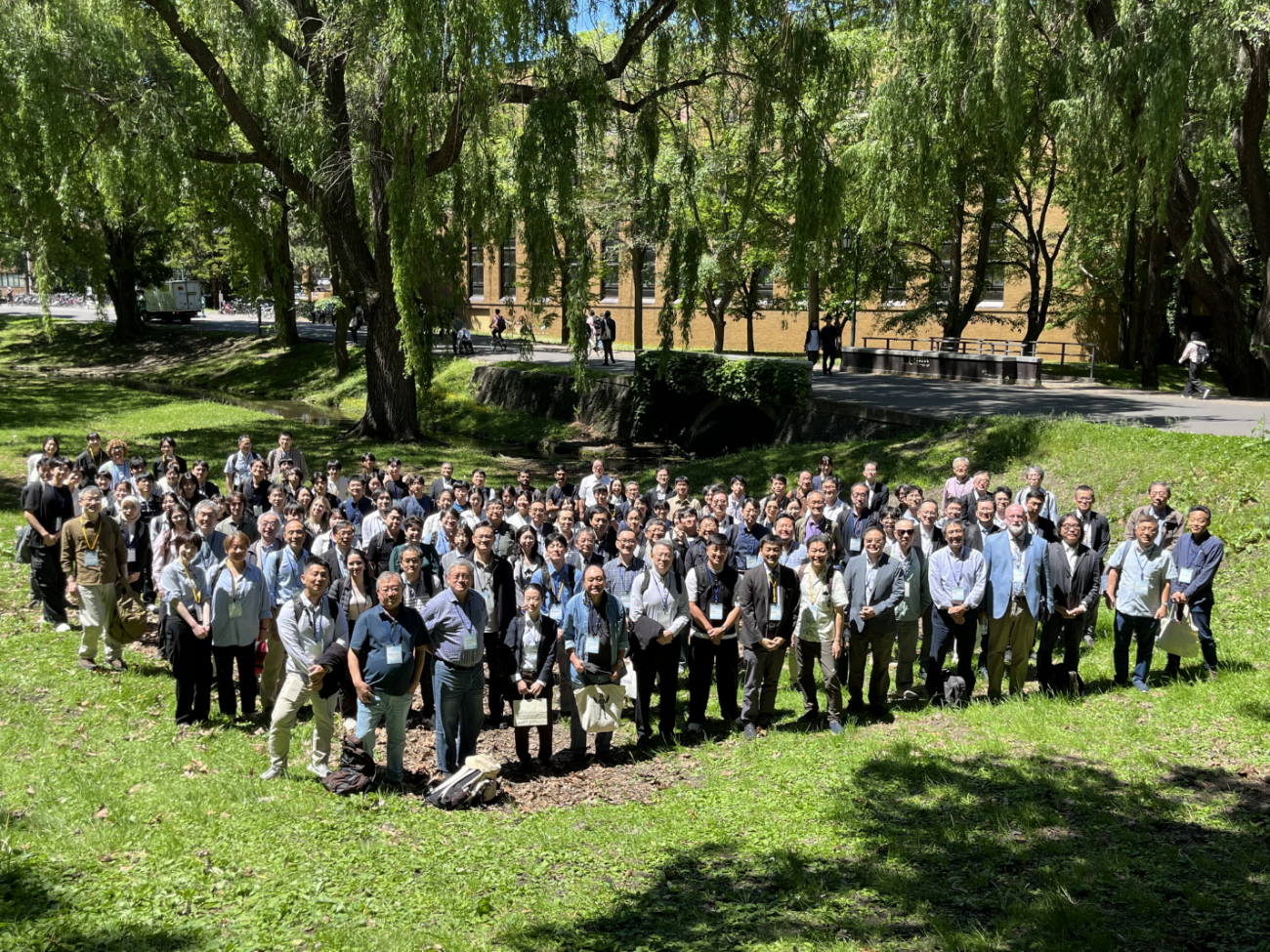
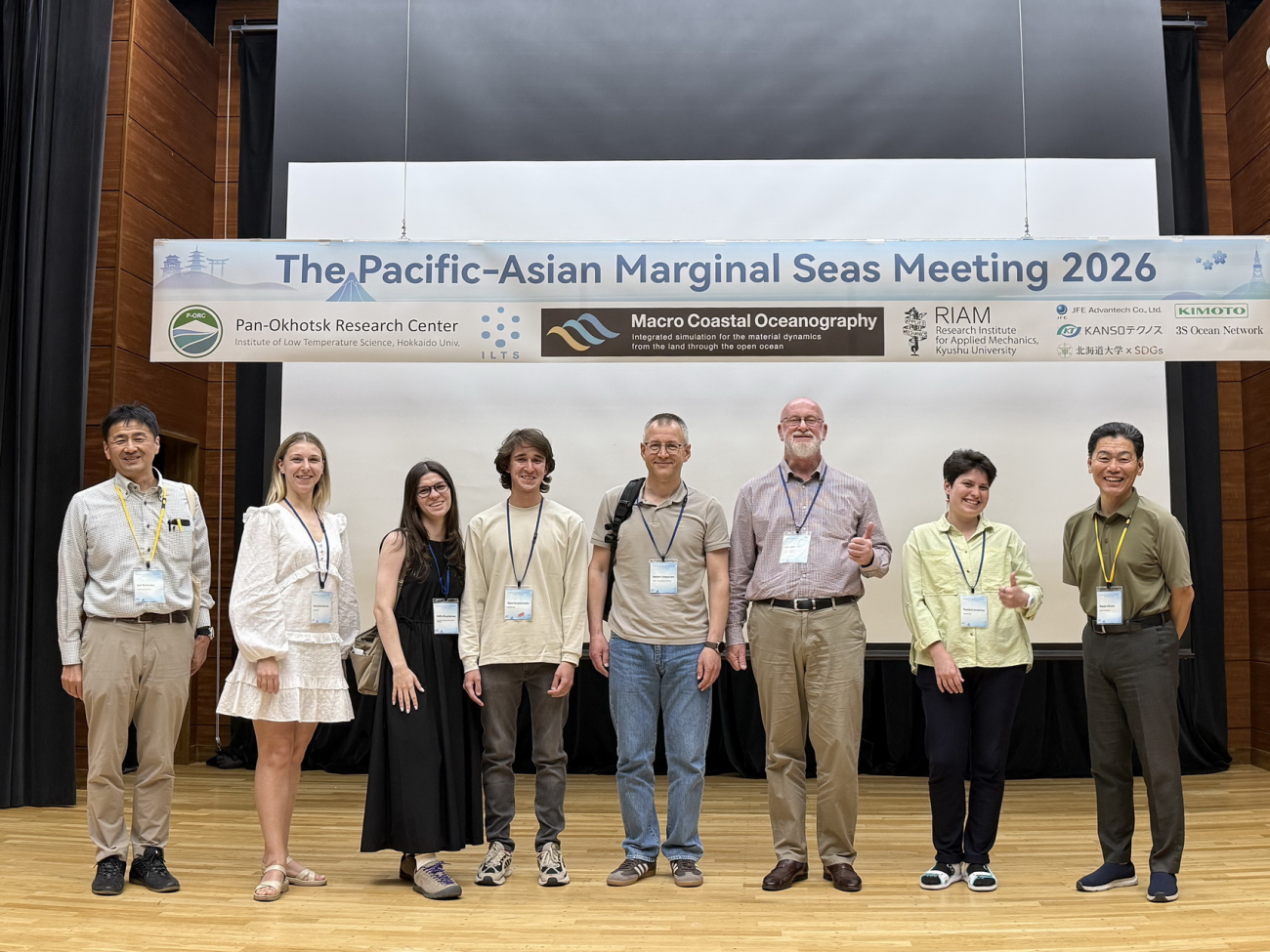
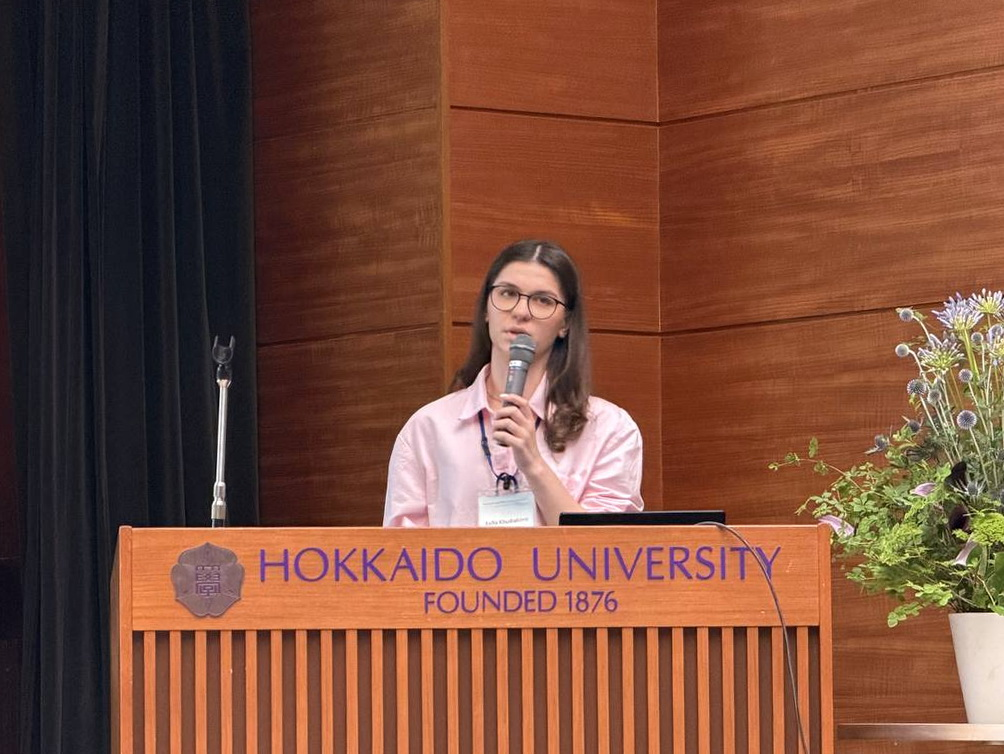
POI FEB RAS staff took part in the 22nd conference “Pacific-Asian Marginal Seas 2026" (PAMS-2026), which was held from June 16-18 at Hokkaido University (Sappore, Japan).
PAMS is the oldest regional marine science conference. Its history began in 1981 with regular meetings of Japanese and Korean scientists within the framework of the Japan-East-China Sea Studies (JECSS) project. Later they were joined by colleagues from Taiwan and China. In the late 1990s, the JECSS conference was renamed PAMS as the Korean government began an active campaign against naming the sea as the Sea of Japan.
It should be noted that this conference played a crucial role in the development of research in the Sea of Japan in its day. In the spring of 1991, a large group of Russian oceanographers was invited for the first time to the 6th JECSS conference in Fukuoka, Japan. It was then that discussions began on the possibility of organizing trilateral Russian-Korean-Japanese research, which culminated in the international programs CREAMS (1993–1997), CREAMS-II (1998–2000), and subsequent collaboration under the auspices of PICES and WESTPAC.
This time, the PAMS-2026 program consisted of eight sessions covering the full range of physical oceanography issues—from turbulence to climate change—not only in the Asian seas but also beyond. In addition to traditional areas of marine physics and chemistry, the conference addressed the relationship between physical and biogeochemical processes, as well as the application of modern technologies: new modifications of Argo floats, SWOT and FORA models and datasets, and artificial intelligence. Over the three days, 53 oral presentations and 74 poster presentations were presented. A total of 150 participants, primarily from Japan, China, Korea, and Taiwan, participated in the conference.
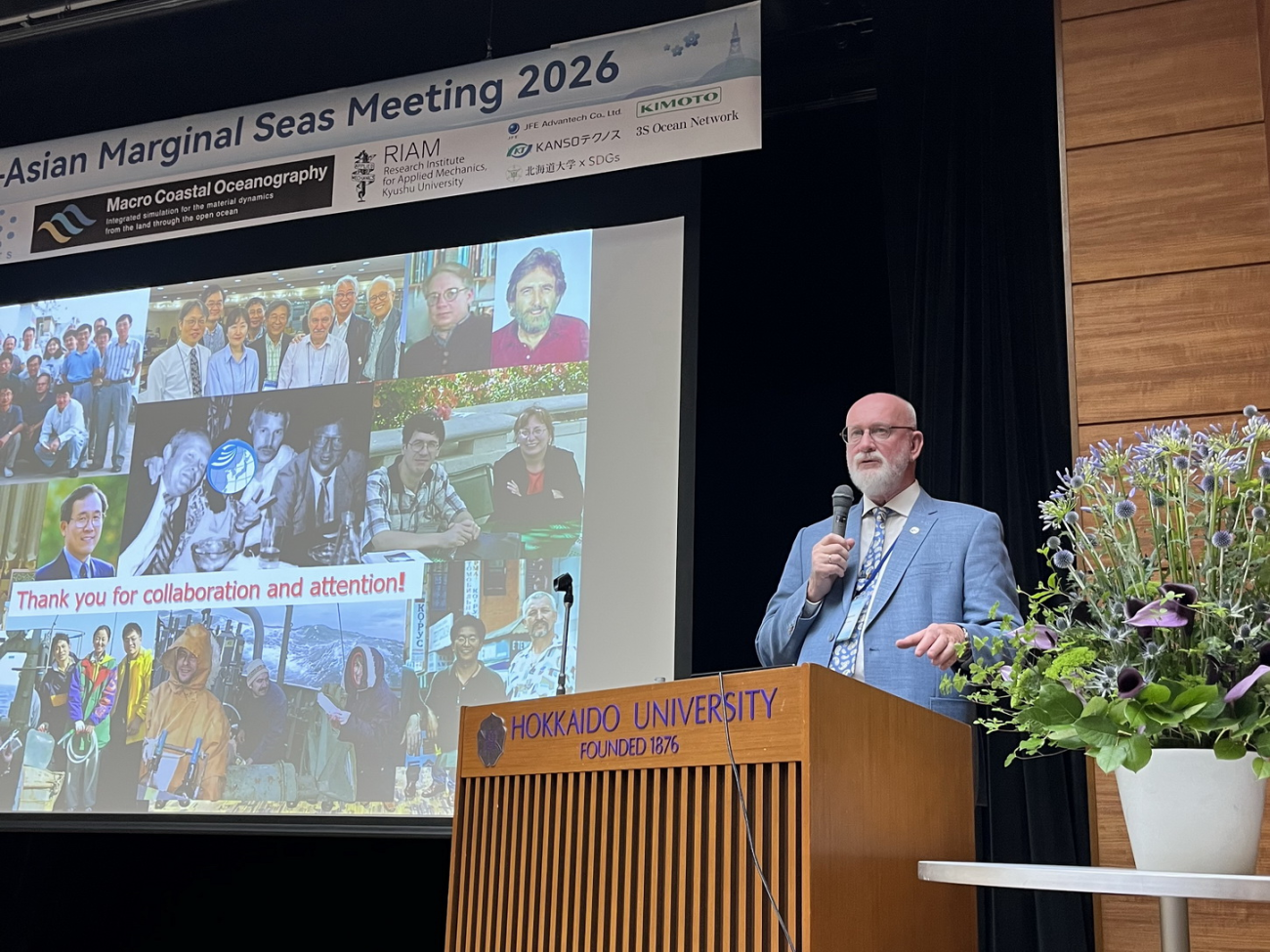
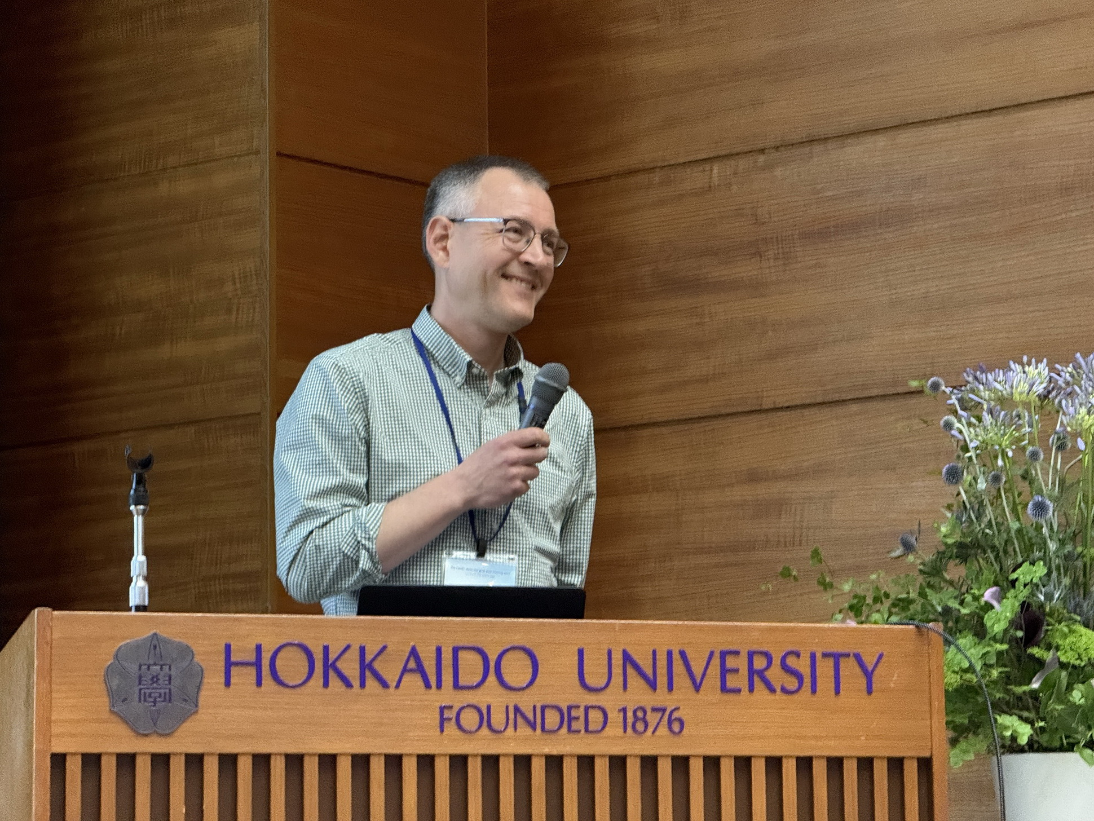
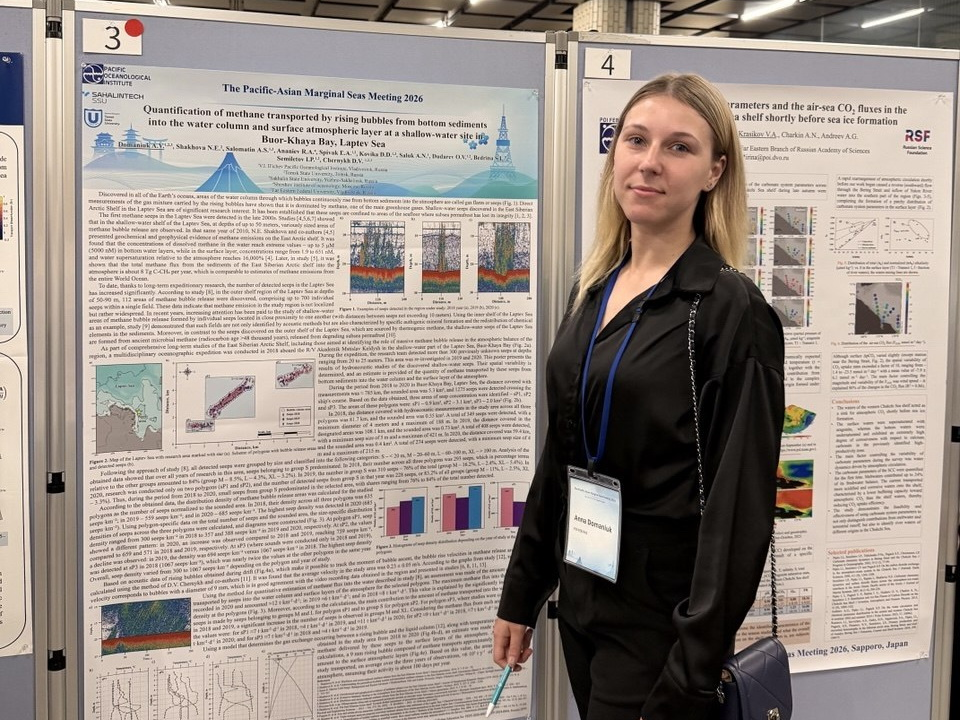
Eight POI FEB RAS staff members participated in the conference, half of whom were young scientists. Postgraduate students A.V. Domanyuk and V.A. Krasikov presented posters on assessing methane influx from the surface of the Laptev Sea, the carbonate system of the Chukchi Sea, and water exchange in Posyet Bay based on radium isotopes. A verbal presentation on modeling water transport through the Kamchatka Strait was given by PhD in Geography G.A. Vlasova, co-authored by S.S. Marchenko. Postgraduate students S.P. Khudyakova and R.S. Anokhina presented a Lagrangian assessment of water transport across the Alaska Current and the carbonate system of the lower Amur, and PhD in Physics and Mathematics D.V. Stepanov presented two oral presentations: one on the mesoscale dynamics of waters east of Sakhalin, and the second one on the fine-structure and biooptical features of the Sea of Japan shelf based on in-situ measurements. V.B. Lobanov, PhD, Head of the Physical Oceanology Laboratory, was invited as a plenary speaker to review research on the ventilation of the Sea of Japan.
The Russian participants' presentations made a positive impression on their colleagues. To enhance Russia's participation in subsequent conferences and develop regional international projects, D.V. Stepanov, PhD, was invited to join the PAMS Coordinating Committee. The next conference will be held June 20–22, 2028, in Seoul, Republic of Korea.